

Introduction
Supply networks have become more intricate as a result of the dynamic nature of international trade, resulting in a web of interdependent businesses, vendors, and consumers. For organizations that want to simplify their processes, increase productivity, and better serve their customers, this complexity poses both possibilities and problems. The “Internet of Things (IoT)” is the driving force behind this shift, promising to completely reshape how supply chains operate. In this article, my assignment help we look at how the IoT) may change the face of supply chain management and logistics and whether or not it is already doing so.
Discussion
Internet of Things Impact on Supply-Chain Connectivity
The Internet of Things has the potential to revolutionise the production, distribution, and consumption of commodities by increasing the interconnectedness of supply networks. The Internet of Things (IoT) is a system of physical nodes that enable machines, sensors, and other devices to exchange data in immediate form. The IoT provides several advantages to supply networks also accelerates the evolution of many features throughout the supply chain.
Constant Surveillance and Complete Transparency:
The whole supply chain may be monitored in real time thanks to IoT devices. Products, inventories, and pieces of equipment may all have their whereabouts, conditions, and statuses monitored by these devices (Henninger and Mashatan, 2021). With this kind of insight, organisations can avoid problems, improve routes, and streamline inventory management.
Analytics and Optimisation for the Future:
Sensor data from the Internet of Things (IoT) may be analysed using big data techniques and AI. Demand forecasting, anomaly detection, and supply chain optimisation are all possible thanks to predictive analytics algorithms. Having this skill allows you to save money, assignment maker have fewer interruptions, and work more efficiently.
Better Communication and Sharing of Information:
The seamless exchange of data made possible by IoT increases coordination between businesses throughout the supply chain. Transparency and trust are improved when vendors, manufacturers, transportation providers, and consumers have easier access to and may share more information with one another (de Vass et al., 2021). By working together in this way, businesses are better able to adapt to market shifts and take advantage of opportunities.

Figure 1: Supply networks with IoT
(Source: epsnews, 2022)
Security in the Supply Chain:
Internet of Things-enabled supply networks can better weather unexpected changes. Businesses may mitigate the effects of calamities like natural disasters and supply chain interruptions by keeping a close eye on operational metrics and conditions 24/7.
Putting the Customer First:
With IoT, people can keep their customers up to date on their packages’ whereabouts in real-time. Customers will be more satisfied and loyal if they are able to monitor the status of their purchases (Hrouga et al., 2022). The Internet of Things also makes it possible for businesses to produce and ship goods on demand, according to each customer’s specifications.
Uses and Advantages in Real Life
There is a broad range of sectors and roles that may profit greatly from the revolutionary advantages offered by the Internet of Things’ practical applications in supply network interconnection. The Internet of Things is having a profound effect on the following important areas:
Controlling Stocks:
With the aid of IoT sensors, companies can keep track of their stock levels in real-time. This avoids wasting money on unnecessary inventory and keeps stock-outs to a minimum. RFID tags, for instance, provide for accurate monitoring of goods throughout the retail supply chain, guaranteeing that shelves are always supplied with the correct items.
Management and monitoring of assets:
Tracking assets, such as cars, machines, and other equipment, in real-time is now possible thanks to the IoT. Better asset utilization, shorter downtimes, and longer asset lifecycles are all possible thanks to the ability to track use, location, and maintenance requirements.
Predictive consideration:
Sensors connected to the Internet of Things can track machinery health and anticipate service needs. By being preventative, biology dissertation writing help you may save money on maintenance and prevent any unanticipated downtime (Ahmed et al., 2021). Predictive maintenance, for instance, is used in the manufacturing sector to reduce the frequency and severity of expensive machine failures.
A Clear View of the Supply Chain:
The Internet of Things allows for full supply chain transparency. Shipments may be tracked, temperature with humidity-sensitive commodities monitored, and delivery window insights gained by businesses. Goods are less likely to go missing or be damaged, and client confidence is boosted, thanks to this transparency.
Forecasting Demand:
Using sophisticated analytics and Internet of Things data, we can make reliable predictions about future demand (Aamer et al., 2020). Companies can quickly adjust to shifts in customer demand, which helps them keep products in stock during times of high demand while also minimizing waste.
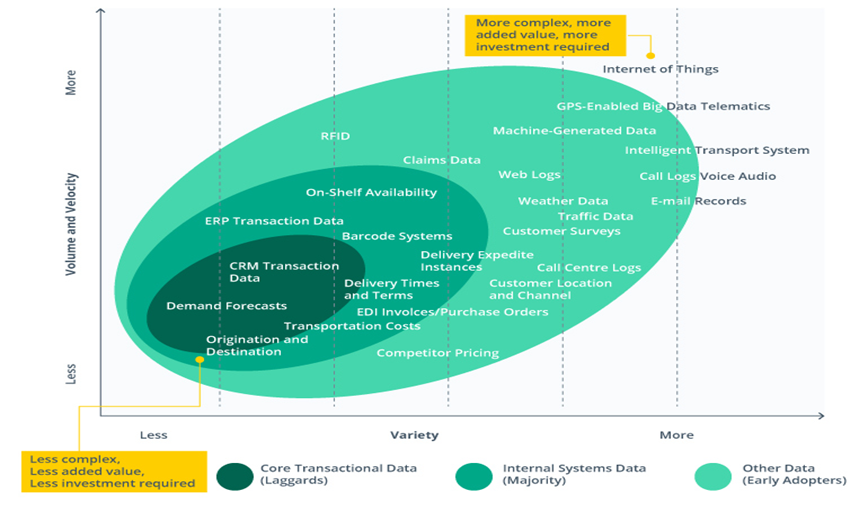
Figure 2: Supply chain demand forecasting
(Source: intellias, 2023)
Superior Service to the Customers:
The IoT’s ability to collect and monitor data in real time improves the service provided to customers. Shipments may be tracked, precise arrival predictions provided, and a wider variety of delivery alternatives made available to customers. Because of this openness and ease of use, consumer happiness and loyalty are increased.
Saving Energy:
Energy efficiency in storage facilities, manufacturing plants, and retail distribution centres may be improved with the help of IoT devices (Nozari te al., 2021). Automatic adjustments made by smart lighting, heating up, and cooling systems in response to population and environmental data may result in substantial savings on utility bills.
Maintaining a Healthy Environment:
The Internet of Things encourages eco-friendly methods by letting companies keep track of their carbon impact. Organisations may minimize their environmental effect and better fit with sustainability objectives by optimising transportation routes, decreasing energy use, and decreasing trash.
Managed Quality:
In-process quality and product condition monitoring is made possible by IoT sensors (Nagarajan et al., 2022). There is less food loss and higher quality in the food sector because of the use of sensors for humidity and temperature to monitor storage conditions.
Conformity with Regulations:
With IoT’s precise data monitoring and reporting capabilities, enterprises may more easily meet regulatory obligations. This is especially important in highly regulated fields like medicine and drugs.
Challenges
- Data confidentiality and safety are major problems in supply network IoT implementation. Businesses must prevent data breaches and unauthorized access from IoT devices’ massive data collection and transmission. Cyberattacks may interrupt business, compromise consumer data, and damage a company’s reputation (Lee et al., 2022). Access to information for partners in the supply chain while maintaining security must be balanced.
- IoT gadgets and networks from various vendors employ distinct protocols and regulations. The absence of compatibility might impair supply chain data interchange. To truly profit from IoT, organizations must invest in communication and integration solutions (Ageron et al., 2020). Standards are progressing, but organizations must overcome these hurdles to assure compatibility as well as scalability.
- Devices, infrastructure changes, and upkeep may be costly when using IoT. Costs may prevent acceptance for certain organizations, particularly smaller ones. A clear ROI for IoT efforts is crucial. Stakeholder buy-in requires demonstrating how IoT can provide value, save expenses, or boost income.
Recommendations
- Organizations should prioritize cybersecurity for data security and privacy. This includes strong encryption, access limits, and security assessments. Equally vital are employee awareness and education programs to avoid human mistakes and information breaches (Yeh and Kashef, 2020). Organizations should also follow cybersecurity best practices and work with specialists to protect their IoT equipment.
- Businesses should engage in industry partnerships and standards development to address interoperability issues. Collaboration may build accepted protocols and standards, allowing IoT devices and systems to interact more easily. Organizations should also invest in gateway solutions that connect IoT technologies to improve logistics integration. The full value of IoT in supply chain interconnection requires a solid industry standards base.
Conclusion
When considering the current state of supply chain management and logistics in a world characterized by complex supply networks and rising customer expectations, the incorporation of the Internet of Things (IoT) appears as a disruptive force. Integrating IoT into supply chains is feasible, as shown by the many ways in which it can be put to use and the many advantages it offers. IoT provides these benefits in many areas of business, such as real-time management of supplies, and predictive maintenance, including focused on consumers operations. It allows companies to streamline their supply chains, save expenses, and increase customer satisfaction to unprecedented levels. Moreover, the Internet of Things’ function goes beyond just enhancing efficiency; it also adds to sustainability initiatives by cutting down on waste, saving energy, and decreasing ecological footprints. However, there are still difficulties associated with these innovations. Concerns about the safety and confidentiality of information continue to be of fundamental importance, necessitating a firm dedication to cyber security practices. To overcome the challenges of interoperability and standardization, the industry must work together and adopt common practices. Cost-benefit analyses and careful budgeting are essential for implementing the IoT. In conclusion, the IoT’s viability in integrating supply chains presents an opening for enterprises to flourish in the modern, globally networked economy. Organizations may unlock IoT’s full potential after they address these obstacles and take necessary cybersecurity safeguards, resulting in a more effective, sustainable, and customer-oriented manufacturing ecosystem.